

How to Last Longer in Bed Naturally: A Practical Guide
If you've ever finished before you wanted to, you're not dealing with something rare or shameful, it's one of the most common concerns men bring up, and most of the time it has nothing to do with how "healthy" or "fit" you are. It's a mix of nervous system wiring, habit, stress, and a few physical factors that can all be worked on.
The good news: this is one of the more trainable parts of sexual health. You don't need pills with a long list of side effects to see real change. A combination of technique, lifestyle adjustments, and a little patience goes a long way. Here's what actually works.
Understand What's Really Going On
Premature ejaculation isn't usually about "trying harder", it's often about a nervous system that's stuck in a high-alert state. Doctors generally split it into two types: Lifelong, where it's been present since a man's first sexual experiences, and Acquired, where it develops later after a period of normal control. The distinction matters, because acquired cases are more likely tied to a specific trigger stress, a new relationship, anxiety, or even an unrelated health change. While lifelong cases tend to be more about nervous system sensitivity from the start.
In both cases, the underlying mechanism is similar: the body's arousal and ejaculatory reflex is firing faster than the mind can consciously regulate it. Performance anxiety, unfamiliarity with a new partner, stress from work or life, or simply never having trained yourself to slow down can all play a role. Less commonly, physical factors like an overly sensitive glans, a tight foreskin, or a hormonal imbalance are involved.
Knowing this matters because it changes the approach. You're not "fixing a flaw", you're training a response, the same way you'd train any other physical skill like balance or breath control. That framing alone tends to lower the anxiety that often makes the problem worse in the first place.

1. Practice the Start-Stop Technique
This is one of the oldest and most researched behavioral methods. During masturbation or sex, pay close attention to your arousal level. When you feel yourself approaching the point of no return, stop all stimulation completely until the sensation fades, then start again. Repeating this a few times per session, a few times a week, helps you build awareness of your own arousal curve which is really the skill you're after.
2. Try the Squeeze Technique
Similar in spirit to start-stop, but instead of pausing completely, you (or your partner) apply firm pressure to the base of the penis, just below the head, for about 10–20 seconds when you feel close to climax. This interrupts the ejaculatory reflex and lets arousal settle back down without losing the moment entirely.
3. Strengthen Your Pelvic Floor
The pelvic floor muscles, specifically the pubococcygeus (PC) muscle, play a direct role in ejaculatory control. Kegel exercises, the same ones often recommended for bladder control, can help you build the muscular awareness needed to delay climax.
To find the right muscles, try stopping your urine stream midway (just to identify them, not as a regular exercise). Once you know the sensation, contract and hold those muscles for 5–10 seconds, release, and repeat for 10–15 reps, a couple of times a day. Consistency over weeks matters more than intensity.
4. Slow Your Breathing
It sounds almost too simple, but shallow, fast breathing keeps your body in a state of high arousal and physical tension. During sex, deliberately slow your breath — long inhales through the nose, longer exhales through the mouth, roughly a 4-count in and 6-count out. This activates the parasympathetic nervous system, which naturally counteracts the "fight or flight" response that speeds things along.
5. Take the Pressure Off
A lot of premature ejaculation is performance anxiety wearing a physical disguise. The more you worry about lasting long enough, the more tense and alert your body becomes — which paradoxically makes things worse.
Talking openly with your partner about what's happening removes a huge amount of that pressure. Most partners respond with understanding rather than judgment, especially when it's framed as something you're actively working on rather than something wrong with the relationship. Shifting the focus of a sexual encounter, spending more time on foreplay, changing the definition of a "successful" encounter to include more than just penetration also takes the spotlight off performance and lets arousal build more naturally instead of spiking under pressure.
6. Look at Lifestyle Basics
A few unglamorous habits have an outsized effect on stamina and control:
- Sleep: poor or inconsistent sleep raises cortisol and disrupts testosterone and other hormone balance, both of which affect arousal regulation. Aiming for 7–8 hours consistently is one of the simplest levers available.
- Exercise: regular cardiovascular activity improves blood flow, lowers baseline stress hormones, and builds general stress resilience. Movement that also engages the core and hips, like yoga or swimming, has the added benefit of indirectly strengthening the pelvic floor.
- Alcohol and smoking: both affect nervous system sensitivity and circulation. Alcohol is often assumed to help men "last longer" because it dulls sensation, but in practice it disrupts the very control mechanisms you're trying to train, and heavy or regular use is linked to worse long-term control, not better.
- Diet: zinc-rich foods (pumpkin seeds, shellfish, lean meats), magnesium (leafy greens, nuts), and omega-3s (fatty fish, walnuts) support hormonal balance and nervous system health over time. None of these work overnight, but a diet that supports general hormonal health tends to support sexual stamina as a byproduct.
None of these are quick fixes on their own, but stacked together over a few months, they change the baseline you're working from — often making the behavioral techniques above noticeably more effective.
7. Herbal Support, Rooted in Tradition
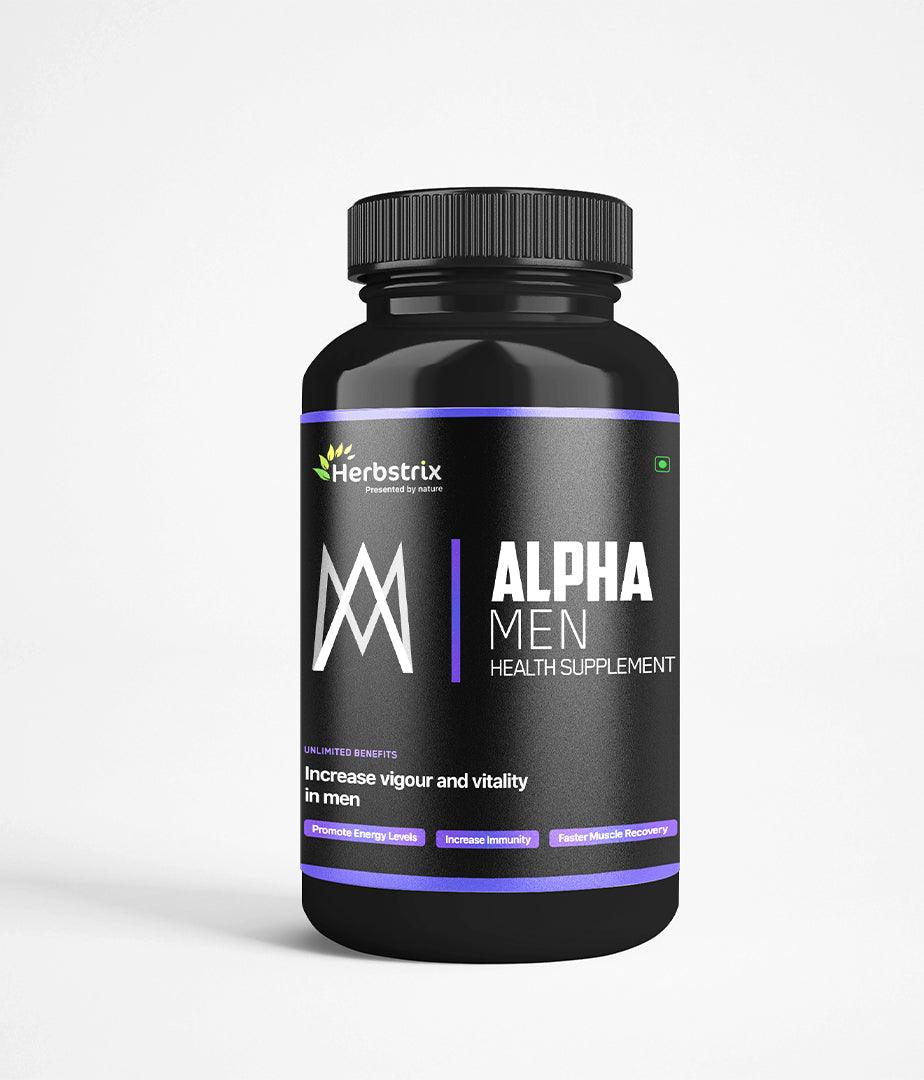
Long before modern medicine, Ayurveda relied on a handful of adaptogenic herbs to support male vitality, stress resilience, and stamina; names like Ashwagandha, Shilajit, and Safed Musli show up again and again in traditional formulations. The idea behind them isn't a quick chemical fix, but supporting the body's stress response and energy levels from the inside, which indirectly supports better control and confidence in the bedroom.
Alongside internal support, some men also find topical, herbal-based oils or creams helpful for gently reducing oversensitivity in the moment. A natural alternative to numbing agents, without the harsh aftereffects some synthetic products carry. If you're curious about traditional, plant-based approaches to stamina and confidence, it's worth exploring what Ayurvedic wellness brands like Herbstrix offer in this space — no harm in seeing what's out there as part of a broader, natural routine.
Common Myths Worth Clearing Up
A few widely repeated ideas around this topic tend to do more harm than good:
"Thicker condoms are a long-term fix." They can reduce sensitivity in the short term, but they don't train your underlying control, so the issue tends to resurface without them.
"Masturbating right before sex solves it." This can work occasionally as a short-term workaround, but relied on repeatedly, it doesn't build any actual control, it just delays the same reflex to a second round.
"It's purely psychological, so it's not a 'real' issue." Psychological triggers produce very real physical responses. Treating the anxiety and the physical training as equally important tends to get better results than focusing on just one.
"Only younger, inexperienced men deal with this." Acquired premature ejaculation can show up at any age, often tied to stress, a new relationship, or health changes — it's not exclusive to younger or less experienced men.
Putting It Into a Simple Weekly Routine
Rather than trying everything at once, most men do better picking two or three techniques and building them into a routine over 6–8 weeks:
- Weeks 1–2: Learn your arousal curve through solo practice with the start-stop technique, and begin daily pelvic floor exercises.
- Weeks 3–4: Bring breathing control into the mix, and start introducing start-stop or the squeeze technique with a partner, alongside continued pelvic floor work.
- Weeks 5–8: Layer in the lifestyle basics — sleep, exercise, reduced alcohol — and keep practicing consistently. This is usually where men notice the most meaningful, lasting improvement.
Progress in this area is rarely linear. Some sessions will go better than others, and that's normal the goal is a gradual upward trend in control over weeks, not a perfect result on day one.
When to See a Doctor
If premature ejaculation is sudden (rather than lifelong), happens with every partner and every encounter, or comes with other symptoms like pain or difficulty maintaining an erection, it's worth talking to a doctor. Occasionally there's an underlying cause — thyroid issues, prostate inflammation, or certain medications — that's easy to address once identified.
The Bottom Line
Lasting longer in bed is far more trainable than most men assume. It's a combination of physical technique, nervous system regulation, and patience. Start with one or two of the methods above, give them a few weeks of consistent practice, and layer in the lifestyle basics. Small, steady changes here tend to compound faster than people expect.
Reated FAQs
1. How long does it usually take to see results from these techniques?
Most men notice some improvement in awareness and control within 2–4 weeks of consistent practice, especially with pelvic floor exercises and the start-stop method. Lasting change tends to build over 6–8 weeks, since you're training a response, not flipping a switch.
2. Can stress and anxiety really cause premature ejaculation?
Yes, this is one of the most common triggers. Stress and performance anxiety keep the nervous system in a heightened state, which speeds up the arousal response. Slowing your breathing, reducing pressure around performance, and open communication with a partner often make a noticeable difference.
3. Are Kegel exercises actually effective for men, or just for women?
Kegels work for men too. The pelvic floor muscles play a direct role in ejaculatory control, and strengthening them through regular contraction exercises is one of the more well-supported natural methods for improving stamina.
4. Do natural herbs like Ashwagandha and Shilajit actually help with stamina?
These adaptogens have a long history in Ayurvedic tradition for supporting stress resilience, energy, and hormonal balance, factors that indirectly influence stamina and control. They're not an instant fix, but many men use them as part of a broader, consistent wellness routine.
5. When should I stop trying natural methods and see a doctor instead?
If the issue appears suddenly rather than lifelong, happens in every encounter regardless of partner or circumstance, or is accompanied by pain, low libido, or difficulty maintaining an erection, it's worth getting checked out. These can point to an underlying cause that's simple to treat once identified.